Socially Responsible Renewable Energy Development Short Course

Learn to design renewable energy projects that achieve stronger social and environmental outcomes while building lasting social licence.

SRRED offers flexible, online learning modules designed to equip participants with practical strategies for enhancing social and environmental outcomes in renewable energy projects.

This self-paced program allows learners to engage with diverse materials at their convenience, ensuring both an interactive and accessible educational experience.

Key course features

Interactive Online Learning Modules

Accessible, engaging content with reflective activities, real-world case studies and insights from industry experts.

Solar panels in field

SRRED Exchange Community

Access to the SRRED Exchange, a vibrant community of practice that runs live seminars featuring guest speakers.

Digital Badge

Delivered in partnership with Griffith University and accredited with a digital badge.

Course overview

SRRED offers flexible, online learning modules designed to equip participants with practical strategies for enhancing social and environmental outcomes in renewable energy projects. This self-paced program allows learners to engage with diverse materials at their convenience, ensuring both an interactive and accessible educational experience.

Who is this course suited to?

This course is designed for renewable energy practitioners, advocates, and policymakers who are committed to ensuring that renewable energy projects deliver positive social, environmental, and economic outcomes. It is particularly relevant for professionals in executive leadership, project development, project management, and community engagement roles. 

Whether you are working on large-scale renewable projects, shaping policy, or supporting communities through the energy transition, this course will equip you with the frameworks, tools, and case studies needed to navigate the complexities of socially responsible renewable energy development.

This course is fully self-paced, allowing participants to complete the two online modules at their own convenience. There are no required live sessions —once both modules are successfully completed, including the associated workbook, participants will be eligible for a digital badge.

Participants should allow approximately 40hrs to complete SRRED. 

Upon successful completion of the course, participants will receive a digital badge in Socially Responsible Renewable Energy Development from Griffith University.

The SRRED Exchange is an online community of practice featuring live sessions aligned with the two learning modules, connecting participants taking the course, and providing a space for questions, discussion and interaction.

  • Full price: $2,500 (incl. GST)
  • *Community discount: $2,000 (20% off – for local government, NFPs, charities, and social enterprises)
  • Group discounts: we’re offering group discounts for organisations wanting to enrol three or more people. Reach out to discuss. 

*If you’re eligible for the community discount, contact us to receive your discount code – srred@cpagency.org.au

If price is a limiting factor for you or your organisation then please reach out to discuss.

Course modules

This course is structured into two modules, covering:

Module 1: Community engagement

Effective community engagement is essential for the success of renewable energy projects. This module explores the foundations of social licence, the importance of understanding the social context, and the principles of meaningful engagement and participation. Participants will also learn strategies for deepening engagement with First Nations communities and how to develop and evaluate effective engagement plans. Through real-world examples and best-practice frameworks, this module equips practitioners with the skills to build trust, foster genuine collaboration, and navigate the complexities of community engagement in renewable energy development. 

Chapters include: 

  • Chapter 1 – Social licence
  • Chapter 2 – Understanding the social context
  • Chapter 3 – Principles of community engagement and participation
  • Chapter 4 – Deepening engagement with First Nations
  • Chapter 5 – Engagement planning and evaluation 

Renewable energy projects have the potential to deliver lasting benefits for communities.

This module explores different approaches to benefit sharing, ensuring that projects generate positive social and economic outcomes. Participants will examine co-design processes and governance structures, as well as co-investment and co-ownership models that enable greater community participation. The module also covers strategies for preparing communities for the energy transition, including employment and procurement opportunities, and affordable housing solutions to support the transition. Additionally, it addresses best practices for shared land use and biodiversity conservation.

By the end of this module, participants will have the tools to design projects that are both socially responsible and locally beneficial.

Chapters include: 

Module 2 – Creating benefit

  • Chapter 1 – Benefit sharing
  • Chapter 2 – Co-design and governance structures
  • Chapter 3 – Co-investment and co-ownership models
  • Chapter 4 – Preparing communities for the transition
  • Chapter 5 – Shared land use and biodiversity

Course learning outcomes

After completing this course, you will:

  • Understand social licence and engagement principles.
  • Gain strategic knowledge of the social context of renewable energy projects.
  • Develop effective community engagement plans and evaluation methods.
  • Learn how to engage meaningfully with First Nations communities.
  • Explore benefit-sharing concepts and options.
  • Understand legal and financial models for co-investment and co-ownership.
  • Learn to form partnerships for local economic development (e.g. procurement, employment and legacy initiatives).
  • Acquire skills to manage tricky situations and handle complaints.
    Understand opportunities and challenges for balancing nature conservation and renewable energy development.
A single wind turbine standing in a dry. arid, regional Australian landscape.

Course speakers

Dr Jarra Hicks

Jarra is a founding Director of Community Power Agency and a course convener of the SRRED course. With 15 years of experience in community energy across Australia and overseas, her expertise spans community engagement, business model design, facilitation, policy development and partnership building. In the SRRED course, Jarra explores key concepts of social licence and shares practical, experience-based strategies for planning and delivering effective community engagement.

Elizabeth Noble

Elizabeth is a Director at Community Power Agency, with over 20 years’ experience working at the intersection of environmental sustainability and community-centred change. She leads the coordination of the SRRED course, and brings strong expertise in community engagement, participatory planning, and energy equity.
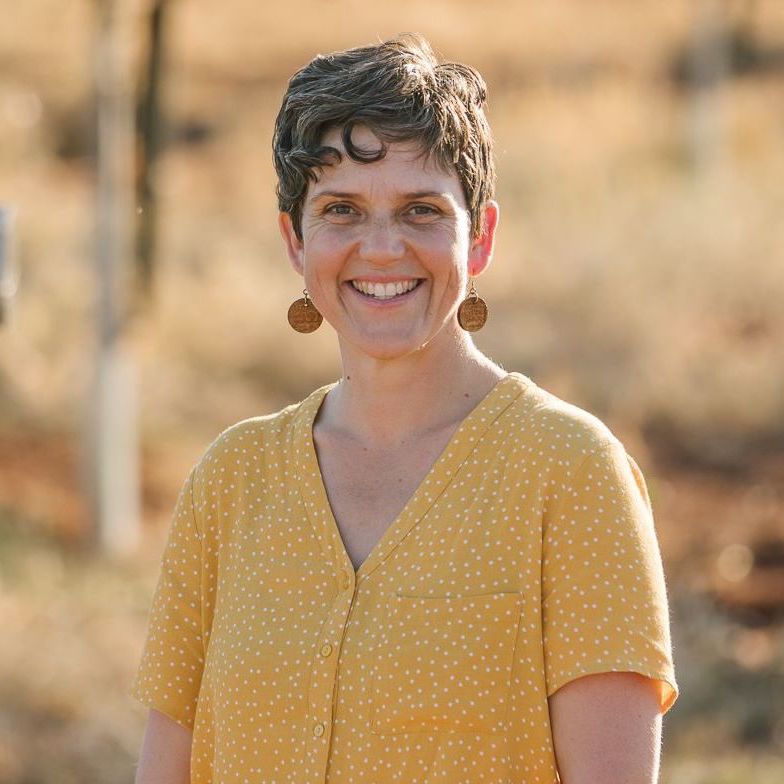
Kim Mallee

Kim is a Director at Community Power Agency and a recognised expert in community engagement and benefit sharing. With over a decade of experience in local government and extensive work with state and federal agencies, Kim brings a deep understanding of the role of government in shaping equitable energy transitions. In the SRRED course, she shares insights on how policy can strengthen positive social outcomes, and offers practical strategies for building and maintaining social licence over the life of renewable energy projects.

Heidi McElnea

Heidi works on Kamilaroi country in the New England REZ as Community Power Agency's Regional Partnerships Coordinator. She specialises in shared land use, biodiversity, local procurement, and preparing communities for the renewable energy transition. With 25 years’ experience in communications, engagement, and training, she brings a strong place-based lens to her work. In the SRRED course, Heidi shares insights on supporting communities to navigate change and maximise local benefits.

Taryn Lane

Taryn has led Hepburn Energy Australia's first community-owned wind farm for 15 years and also works as a consultant. She was a Founding Director of RE-Alliance and currently serves on the board of the Smart Energy Council. She has delivered community ownership and co-investment models in Australian renewable energy projects. In the SRRED course, she shares deep insights into meaningful community participation, highlighting the opportunities and benefits of these models.

Ruby Heard

Ruby is a descendant of the Jaru people from the Eastern Kimberley region of Western Australia and an electrical engineer by training. She leads Alinga Energy Consulting, specialising in renewable energy and microgrid solutions. In the SRRED course, Ruby offers a First Nations perspective on social licence and shares practical guidance on how to foster deeper engagement with First Nations communities in the context of renewable energy development.

Dr Susie Burke

Dr Burke is a psychologist who specialises in climate change psychology and community wellbeing. In the SRRED course, she offers practical strategies for navigating complex conversations, addressing misinformation, and ensuring inclusive, respectful engagement. Dr Burke also shares tools for self-care and emotional resilience, supporting practitioners to sustain their wellbeing while working on challenging issues.

Luke Osborne

Luke is a partner at Stride Renewables with over two decades of experience in the energy sector. In the SRRED course, Luke brings a developer’s perspective on social licence, highlighting the importance of genuine community engagement and effective benefit-sharing strategies to build trust and long-term project success.

Sally Hunter

Sally is the Founder and Managing Director of Geni.Energy, an advocacy and consultancy organisation dedicated to driving local jobs and investment from renewable energy in her hometown of Narrabri, in northwest New South Wales. In the SRRED course, Sally brings a community perspective on social licence, co-ownership models and effective community engagement.

Peter Marriott

Peter is the Founding Director of OSMI Australia. He has been working in wind farm development and asset management for over 20 years and brings the unique experience of also hosting an operating wind farm on his family’s property in South Gippsland. In the SRRED course, he shares a developer’s perspective on community co-investment models based on his experience on the Delburn Wind Farm near the Latrobe Valley in Victoria.

Tegan Miller

Tegan works part-time at CitiPower, Powercor and United Energy and the First Nations Clean Energy Network, both roles allow her to understand First Peoples issues, barriers and solutions to accessing energy and owning and developing renewable energy projects. In the SRRED course, Tegan shares insights into the principle of Free, Prior and Informed Consent and its critical role in renewable energy projects involving First Nations communities. She also draws on international examples of Indigenous engagement, particularly from Canada, to broaden participants' understanding of best practices in this space.

Andrew Bray

Andrew has served as the National Director of RE-Alliance since 2013, growing the organisation into a leading voice for regional communities in Australia’s energy transition. His work focuses on ensuring that communities are heard and benefit from the shift to renewable energy, particularly in areas such as transmission, community benefit sharing and mitigating local impacts. In the SRRED course, Andrew explores different models of community benefit funds and discusses the role of Local Energy Hubs in supporting communities in the shift to renewables.

SRRED Alumni